
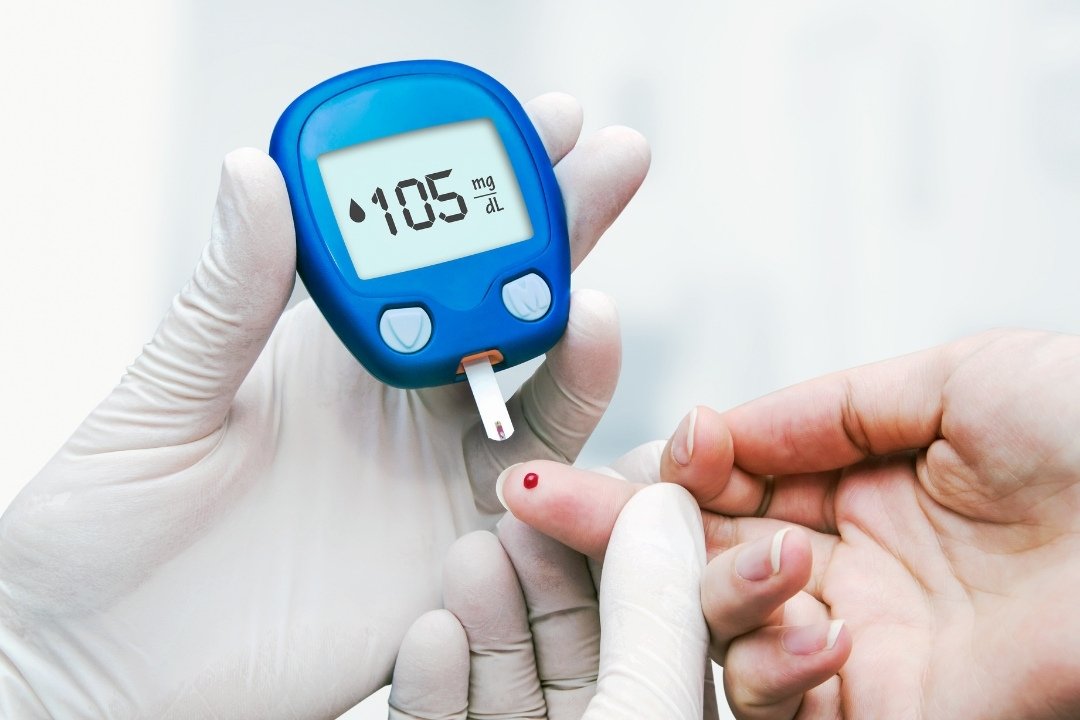




Diabetes mellitus is a complex metabolic disease that can have devastating effects on multiple organs in the body. Diabetes is the leading cause of end stage renal disease in the United States and is also a common cause of vision loss, neuropathy, and cardiovascular disease.
Cognitive dysfunction is a less addressed and not as well recognized complication of diabetes. Both hypoglycemia and hyperglycemia have been implicated as causes of cognitive dysfunction, and there is fear that recurrent hypoglycemia will impair their memory over time. Recent studies have shown a link between T2DM and mild cognitive impairment (CI), Alzheimer’s disease, and vascular dementia (VaD). Cognitive impairment refers to changes in memory, mood swings, perception, reaction times, attention, and concentration.
Why diabetic patients suffer from cognitive impairment is not clear. Multiple factors may be involved in the process. A strong link between lack of glycemic control resulting in hypo or hyperglycemia is strongly associated with cognitive impairment. Micro and macrovascular changes associated with T2DM are also linked to the development of dementia.
Hypoglycemia is one of the reason for temporary or short term cognitive impairment. A normal and controlled glycemic level is defined as 72 to 126 mg/dL. When the brain does not have a sufficient amount of glucose to function, typically less than 63 mg/dL, certain symptoms can present and should be immediately corrected. It is possible for these short term hypoglycemic states to result in permanent brain damage. Even repeated bouts of mild hypoglycemia have been shown to cause impairment. One of the study found that many different parameters can predict dementia. Amongst the parameters studied, female gender, older age, insulin use, and previous episodes of hypoglycemia all can put the patients at high risk for dementia.
Hyperglycemia, when prolonged, can also have negative effects such as neuropathy, retinopathy, nephropathy, and cognitive impairment. Long standing hyperglycemia can damage neurons which can result in cognitive impairment and also loss of executive functions.
A tighter glycemic control can help to prolong or even to some extent prevent the cognitive impairment that can occur with T2DM.
Some additional points that may be helpful:
Microvascular Changes: The common microvascular complications in diabetes include diabetic nephropathy, neuropathy, and retinopathy. Cerebral microvascular changes as seen in diabetic retinopathy can be the most common complication of T2DM. Predominantly, microvascular disease has been shown to affect the thalamus, basal ganglia, and white matter. An increased severity of microvascular changes shows a worse prognosis with regard to mental flexibility, verbal fluency, and processing speed. This was seen more in men than in women. Executive functioning deficits are also a concern because of the involvement of frontal subcortical atrophy.
Macrovascular Changes: The most noted macrovascular complications in diabetes include coronary artery disease, peripheral arterial disease, and stroke.
Atherosclerosis is a leading cause of acute coronary syndrome as well as cerebrovascular accident and is accelerated by hyperglycemia secondary to T2DM. Macrovascular changes can affect heart and brain function by occlusion and ischemia. Cognitive impairment related to stroke alone could be directly linked to prolonged periods of hyperglycemia. In addition, diabetes promotes hyperglycemia when not properly controlled, which combined with hypertension and hyperlipidemia, can result in cognitive decline from brain structure atrophy due to large deposits of amyloid and other fatty products.
